Do they really look the same?
Design language and expression
Different homes. Different offices. Different people. So why does it sometimes feel like we are walking into the same space over and over again?
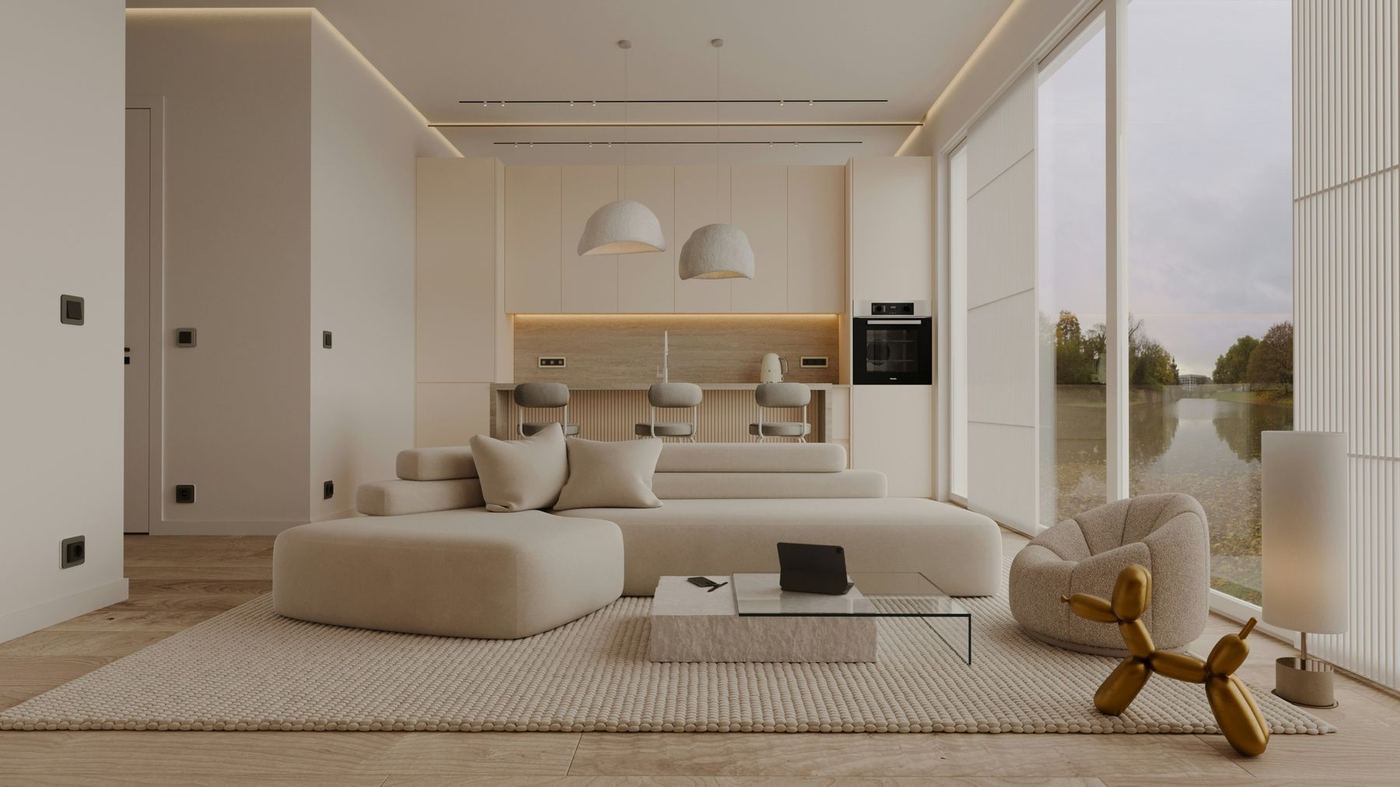
We’ve seen this space before, haven’t we?
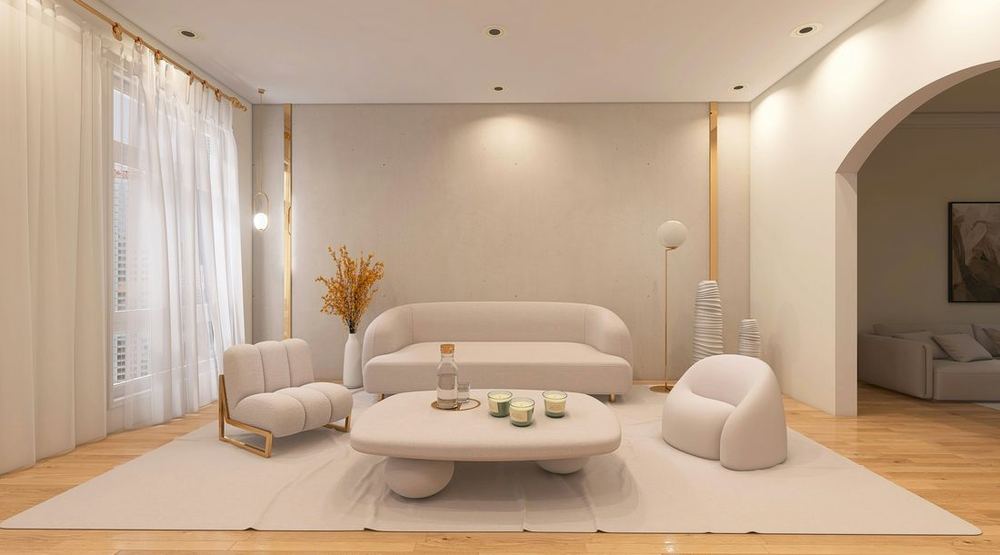
At home: the beige sofa, the neutral walls, the carefully placed plant.
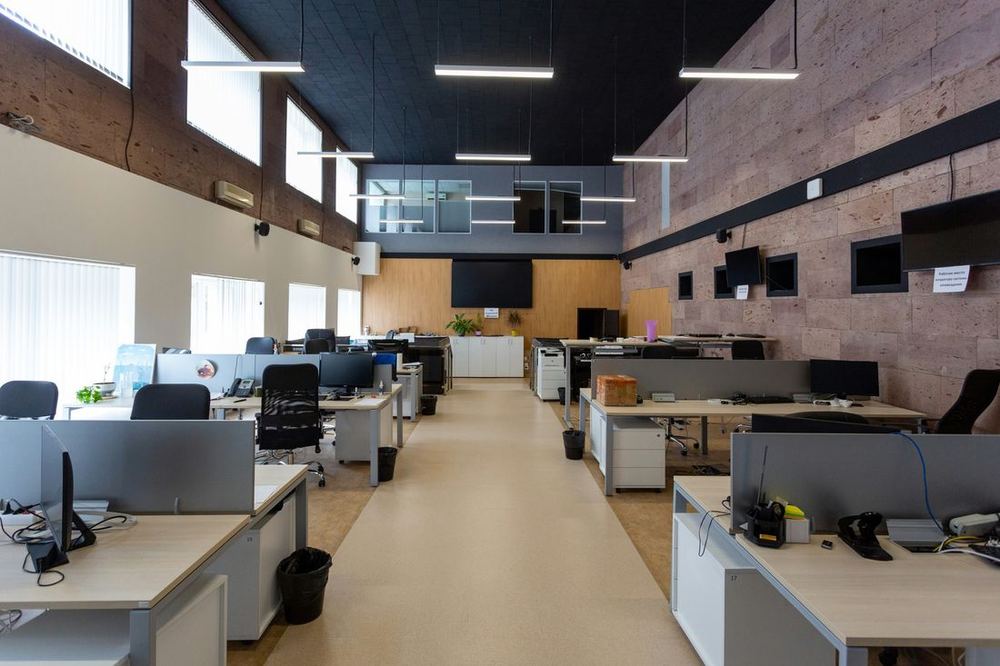
And in the office? The same muted palette. The same furniture. The same carefully curated minimalism.
Somehow, the places we spend our time are beginning to look remarkably alike.
At what point does inspiration stop being inspiration?
Pinterest saves. Instagram reels. Trending interiors. We collect images of spaces we love and use them to imagine our own.
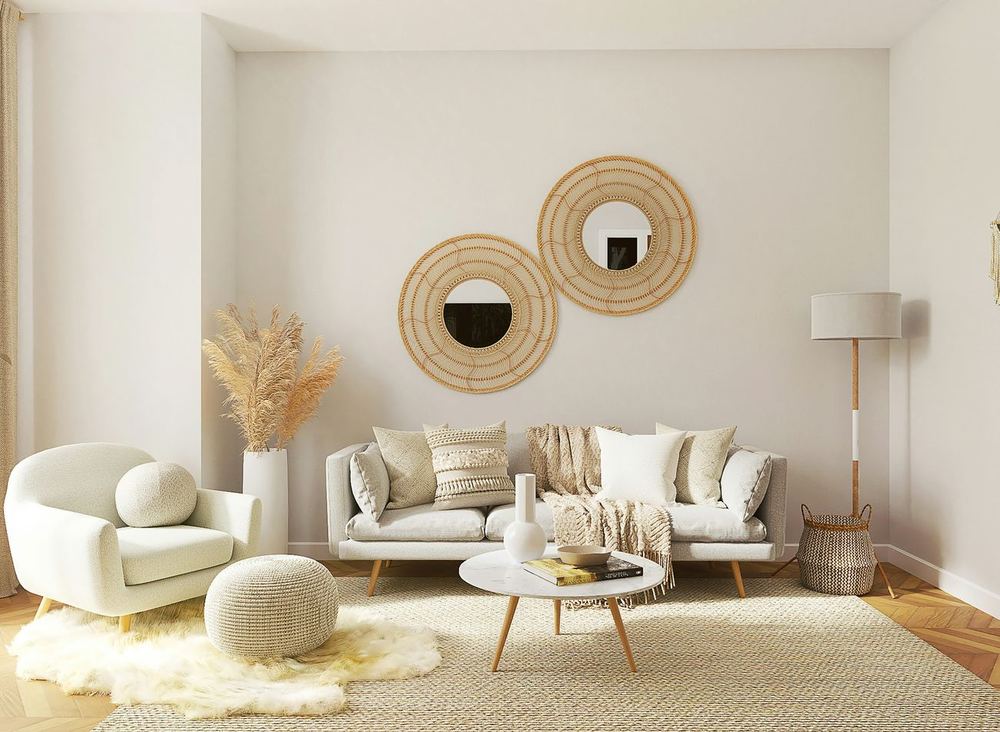
But when we all draw from the same references, are we creating spaces that reflect us, or recreating spaces we have already seen?
Is minimalism the problem? Not necessarily.
There is nothing wrong with beige, minimalism or a beautifully restrained interior. The question isn’t whether a space follows a particular style. It’s whether that style has meaning to the person occupying it.
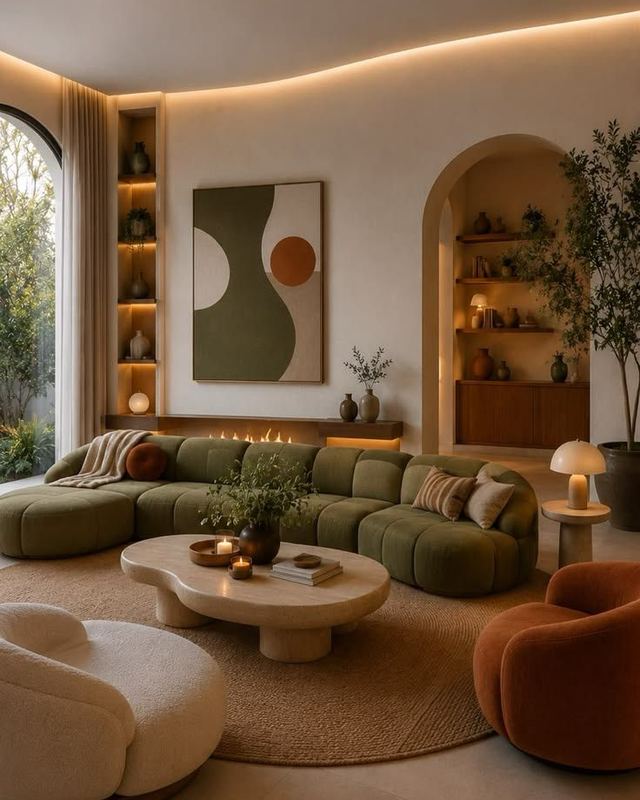
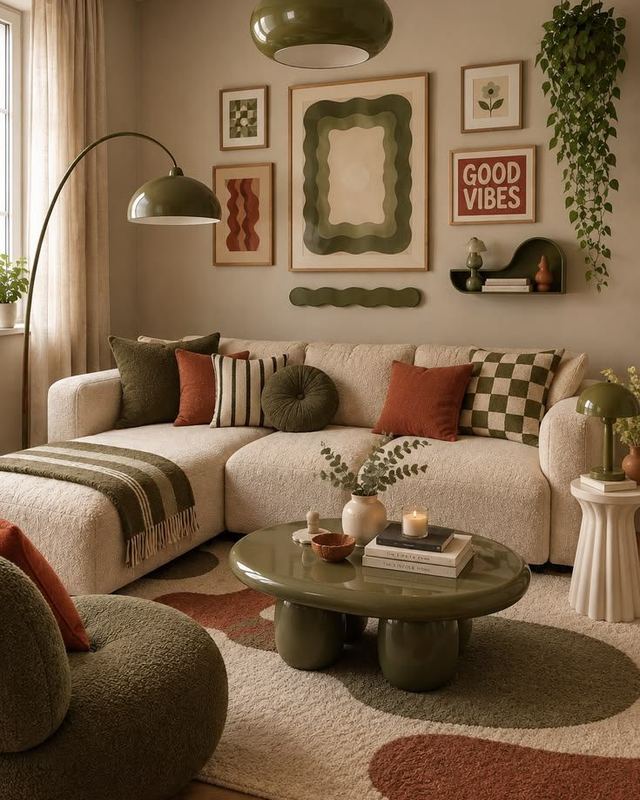
Two rooms can share the same palette and still tell completely different stories.
Every space communicates something.
Through colour, texture, light, furniture, form and arrangement, a space develops its own visual language.
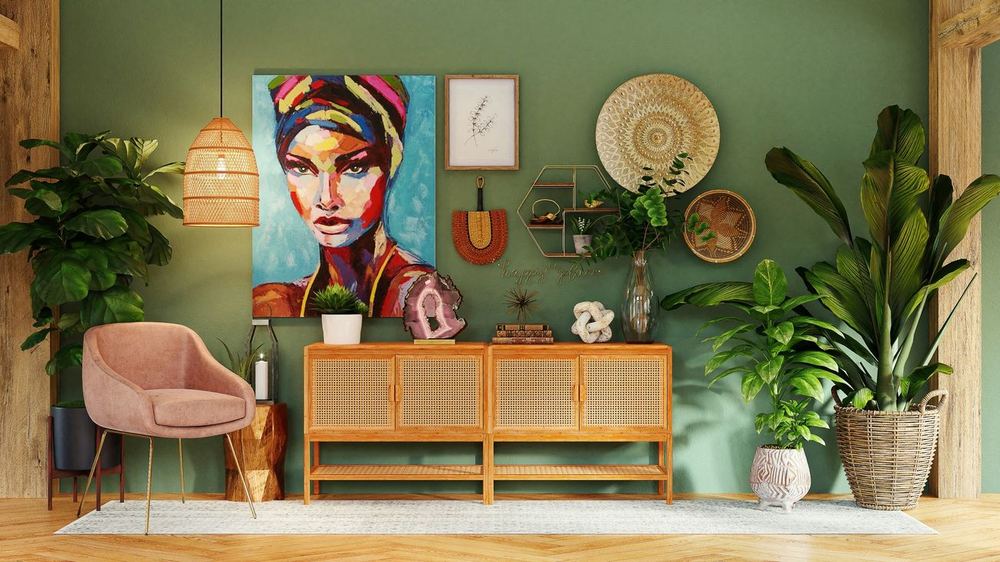
- Bold or quiet.
- Playful or structured.
- Nostalgic or forward-thinking.
These choices do more than make a space look a certain way. They influence how we experience it.
The design is only half the story.
Imagine two people given the same room, the same budget and the same neutral starting point.
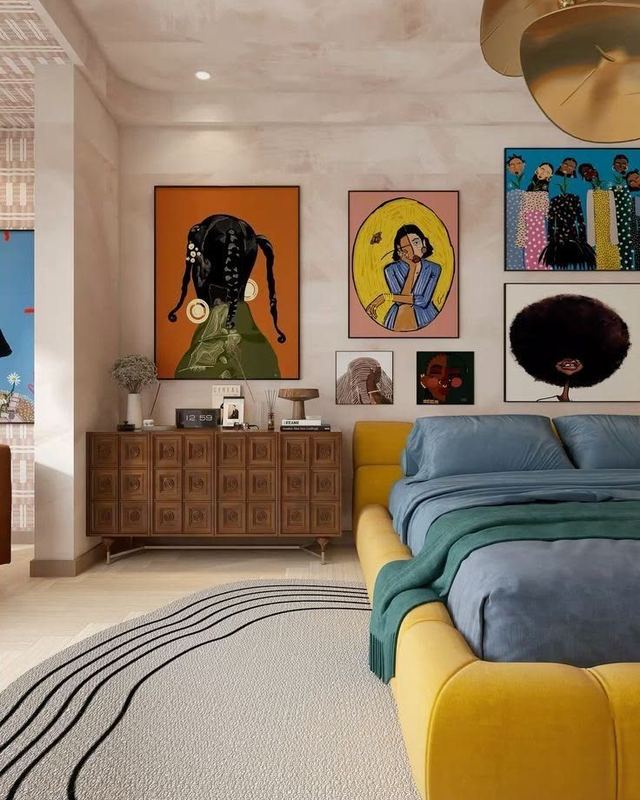
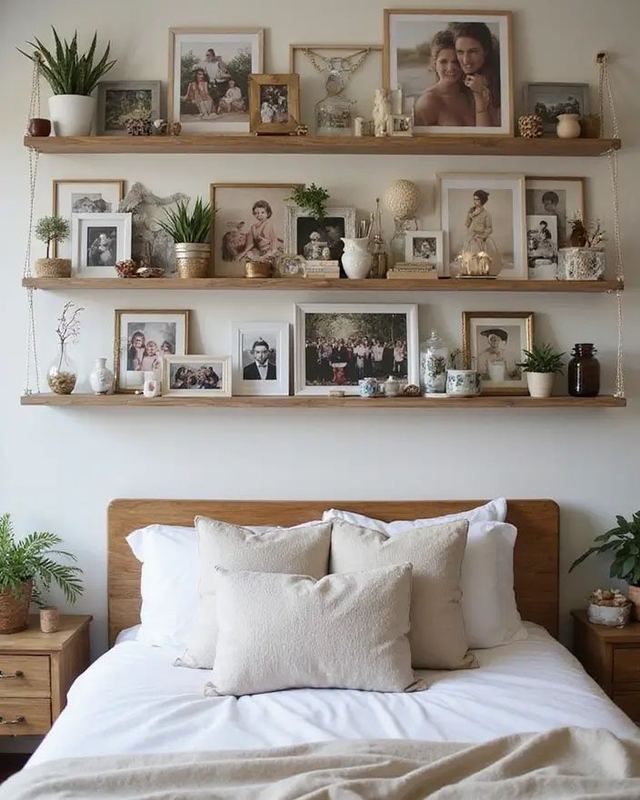
Same starting point. Two entirely different expressions.
Look a little closer.
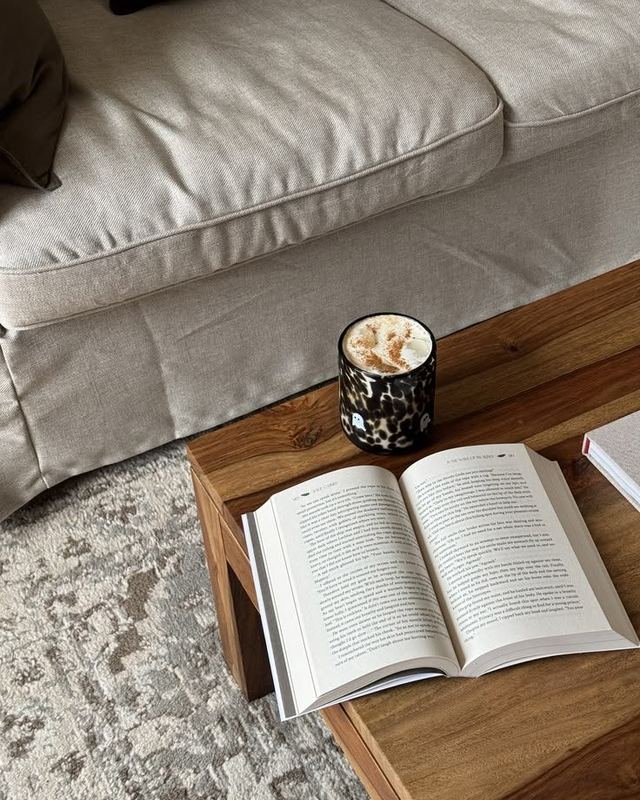
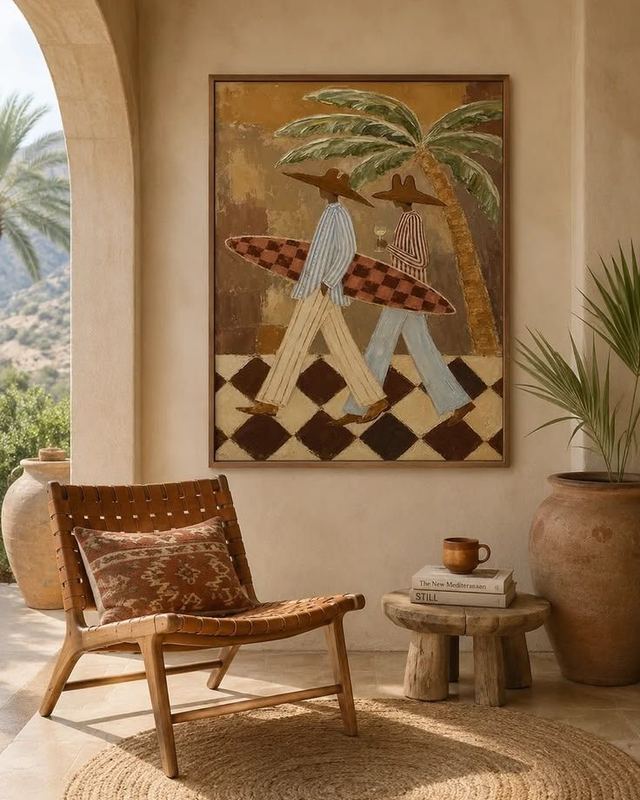
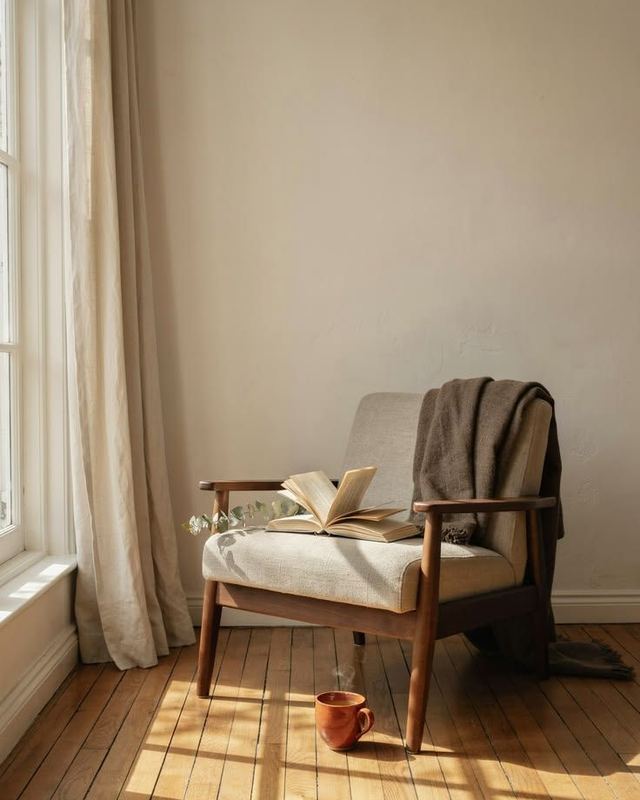
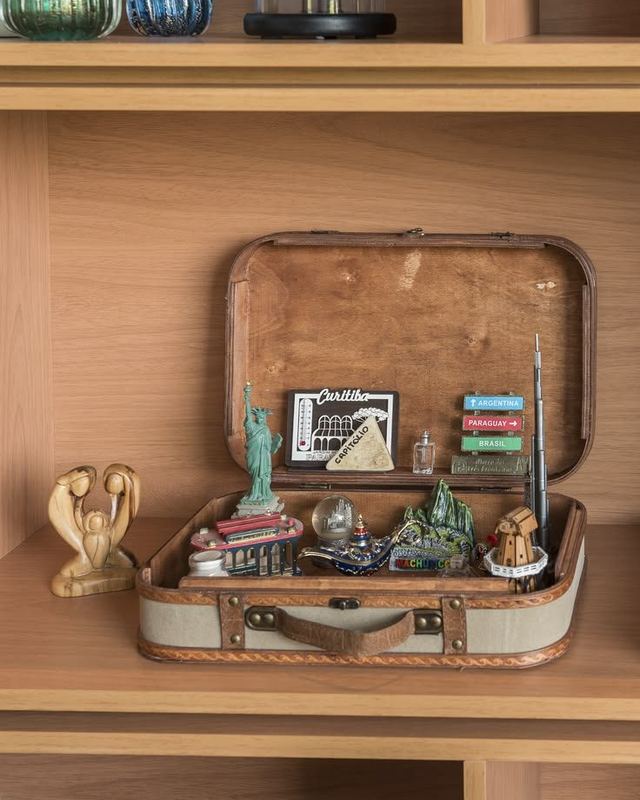
The details that might seem insignificant to someone else can make a space deeply personal to the one who lives there.
They might share a style. But they don’t have to share an identity.
Design trends give us a visual starting point. Design language gives a space its character.
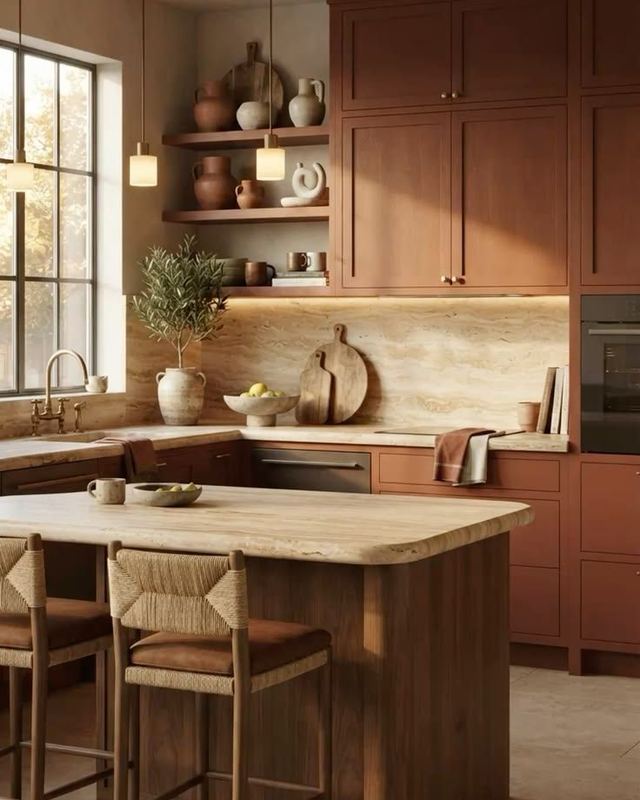
And personal expression is what turns a collection of walls, furniture and objects into somewhere that feels like you.
The difference isn’t always in what you see first. Sometimes it’s in what you discover when you look closer.